
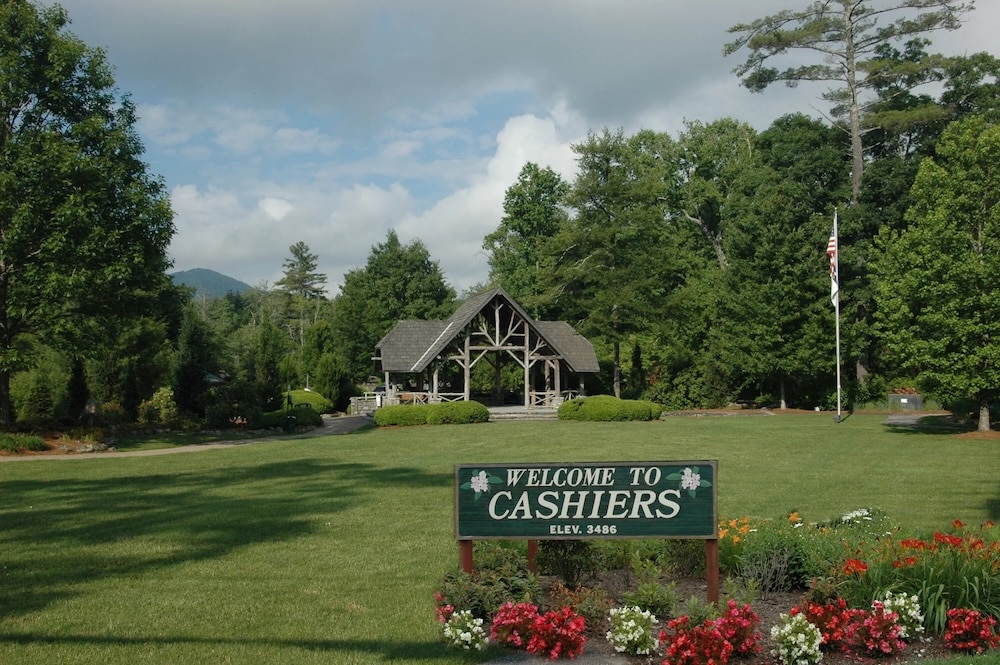
Cashiers sits high in the mountains of western North Carolina. The town lies in Jackson County on a broad, forested plateau inside the Nantahala National Forest. The setting gives easy access to lakes, waterfalls, and trails. The landscape shapes daily life in clear ways.
This article aims to help you picture life in Cashiers. It describes the local pace, housing costs, and everyday services. It also notes who tends to fit the area best. Read this to decide if Cashiers might suit your needs.
Year-round population remains small, with a few hundred residents who live in the valley and on surrounding ridges. Elevation sits around 3,400 to 3,600 feet, so the air stays cool compared with lower elevations. The town sees a steady flow of second homeowners and visitors, so numbers rise in summer and peak in fall when the leaves change.
The rest of the article covers geography, climate, outdoor life, housing, services, and community life. I will point out practical trade-offs to expect, such as travel times to larger cities and limits on local shopping. If you plan to move or spend long periods here, consider visiting in different seasons first.

Location, climate, and outdoor life
Geography and setting
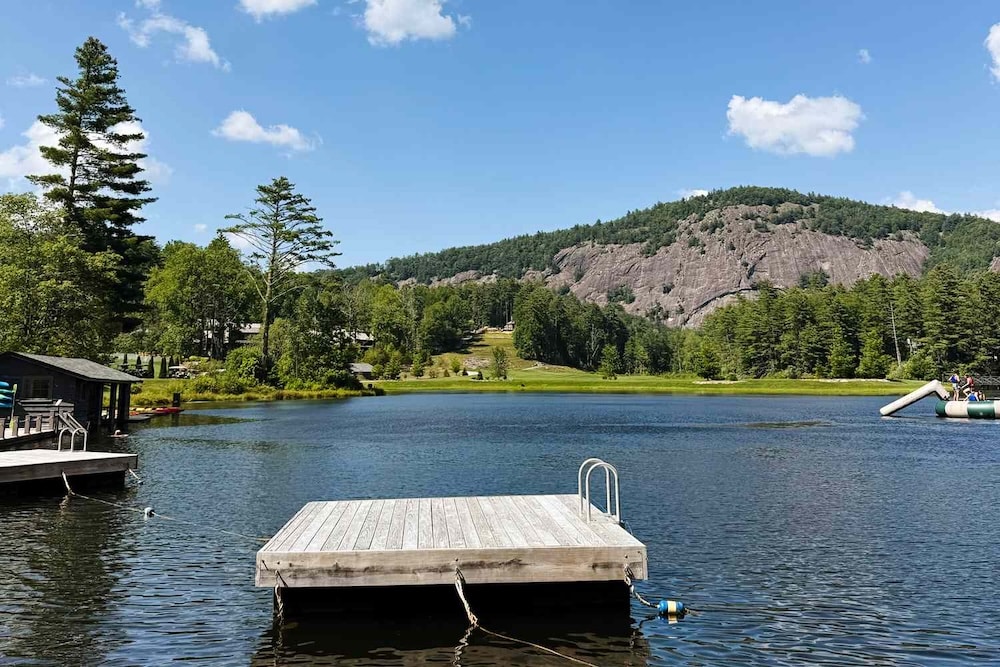
Cashiers sits in the mountains of western North Carolina in Jackson County. The town lies on a broad plateau that separates ridgelines and valleys. From many spots you see tree-covered slopes, exposed rock outcrops, and small lakes tucked into hollows.
The area feels remote but stays within a reasonable drive of larger cities. Trips to regional hubs take time on two-lane mountain roads, so people plan errands and visits accordingly. Local roads bend with the terrain, and development follows valleys and flatter ridges.
Land use mixes private parcels, seasonal homes, and large tracts of protected forest. That pattern keeps views intact and limits dense development. It also means services cluster near the village rather than spread evenly across the plateau.
Seasons and climate
Summers stay cooler than the lowlands. Days can be warm, and nights often cool enough to sleep without air conditioning. Humidity can rise during summer storms, but it rarely feels oppressive for long stretches.
Winters bring cold snaps and occasional snow. Snow and ice can make roads slick on higher stretches. Residents learn to watch forecasts and prepare a vehicle for winter conditions if they plan to stay through the season.
Fall brings strong color and attracts many visitors. Spring shows fast green-up and blooms that appear soon after the last hard frost. Microclimates show up from ridge to valley, so weather can change across short distances.
Outdoor recreation
Outdoor life shapes daily routines for many people in Cashiers. Trails run from short waterfall walks to longer ridge routes. You find day hikes that fit a wide range of fitness levels.
Water recreation also plays a role. Nearby lakes and rivers invite fishing, paddling, and boating in warmer months. Many creeks offer trout habitat, and anglers often seek quiet stretches away from the main access points.
Other options include golf, mountain biking, and rock outcrops for casual scrambling. Ski resorts and larger trail networks sit within a one to two hour drive, so winter sports remain within reach on planned trips. Scenic roads invite slow drives any time of year.
Housing, cost of living, and practical logistics
Housing market and types
Housing in Cashiers ranges from small rustic cabins to large second homes and luxury estates. You will find older homes near the village and newer houses in gated communities and private enclaves. Many properties sit on steep or wooded lots, which affects building and maintenance costs.
The market favors second homeowners and vacation buyers, so inventory can feel limited for full-time residents. Short-term rentals operate widely, which reduces the stock of long-term rentals and raises competition for available houses. If you need a year-round rental, expect to act fast when something suitable appears.
Prices vary a lot by location, view, and amenities. Modest homes sell for mid six figures in some areas, while lakefront or long-range view properties often sell for seven figures. Buyers should budget for routine mountain-home costs like septic systems, well maintenance, and higher insurance on exposed sites.
Cost of living and everyday expenses
Everyday costs sit above the state average in some categories. Grocery prices can run higher because stores serve small populations and shipping costs add up. Dining out and other services may also carry a premium during busy months when visitor demand rises.
Utilities vary by home and season. Many houses rely on electric heat, propane, or wood stoves. Heating fuel and occasional heating repairs add to winter bills. Water often comes from wells, so water tests and pump work become routine expenses.
Property tax rates in North Carolina remain moderate, but high property values in desirable parts of Cashiers push annual tax bills up. Contractors and service providers keep busy during high season, which can raise labor costs and extend wait times for repairs or remodels.
Transportation and connectivity
Road access relies on two-lane mountain highways and local roads that follow the terrain. Travel times can take longer than map distances suggest because the roads wind and climb. In winter, snow and ice can close or slow routes, so residents often carry chains or use all-wheel-drive vehicles.
Public transit options remain limited. You will find some shuttle services and private buses at peak times, but regular transit does not cover most rural roads. Rideshare and taxi options exist near the village but thin out in remote neighborhoods.
Internet and cell service vary by location. The core village and newer developments often have reliable high-speed options. Remote lots can have weak cell signal and slower internet, so check service maps and run speed tests before committing. Many remote workers use fixed wireless, fiber where available, or satellite as a backup.
Community, services, and quality of life
Community character and demographics
Cashiers has a small town feel. The full time population stays modest. Second homeowners and visitors increase numbers in summer and fall.
Many residents are retirees or people who moved here for the outdoors. A portion of the population works in tourism and local services. You will meet families, artists, and long time locals in town gatherings.
Neighbors help one another. Volunteer groups run many community activities. Local boards and small committees shape town decisions and keep services running.
Amenities and services
The village offers restaurants, small shops, and a handful of galleries. You can buy groceries and basic supplies in town. For larger shopping trips you will drive to a bigger town.
Medical care starts with local clinics and urgent care options. For full hospital services you will drive to a regional center. Emergency response relies on volunteer squads and the county system.
Public schools serve children in the broader county district. Childcare options remain limited and fill up during the busy season. Churches and community centers provide extra programs and meeting space.
Events, arts, and social life
The social calendar follows the seasons. Summer and fall bring the most public events. You will find markets, craft fairs, and outdoor concerts in warmer months.
Artists and makers show work in local galleries and pop up shows. Small nonprofits run workshops and talks. The arts scene remains intimate and community focused.
Outdoor groups organize hikes and cleanups. Clubs for gardening, history, and reading meet in the village. These activities create steady chances to meet people and get involved.
Pros and cons
Here are the main advantages and trade-offs to weigh when you think about living in Cashiers. The list highlights what residents name again and again when they talk about daily life.
Use the pros to see what fits your lifestyle. Use the cons to plan for costs and limits. Both sides affect long term satisfaction.
If you plan to move, visit in different seasons and talk to local residents and real estate agents. That will help you test commute times, services, and cell or internet service at specific properties.
Pros
- Outstanding mountain scenery and nearby waterfalls
- Easy access to hiking, fishing, boating, and golf
- Cooler summers and strong fall color
- Close knit community with active volunteer groups
- Low population density and a quiet pace of life
- Small village amenities within a short drive for most residents
Cons
- High home prices for lakefront or long-range view properties
- Limited year-round shopping and specialized services
- Winding two-lane roads and winter driving hazards
- Short-term rentals reduce long-term rental options
- Internet and cell service can vary by lot and provider
- Longer drives to hospitals, major stores, and airports
Cashiers offers a quiet mountain life with close access to lakes, trails, and open views. The village keeps a small, community feel. Seasonal shifts shape the pace and the visitor count.
There are trade-offs to weigh. Homes with the best views cost more. Local shops and services remain limited compared with a city. Winter weather can slow travel. Internet and cell service vary by property.
The area fits people who value outdoor time, space, and a slower pace. Retirees and part-time residents often settle well here. Remote workers can, too, if they confirm connectivity and accept longer drives for major services.
Before you move, visit in different seasons and test service at chosen sites. Talk with neighbors, local service providers, and a local real estate agent. That practical work will show whether Cashiers matches your needs.