
This article explains the main factors to weigh when you decide whether to buy land before hiring a custom home builder. It covers timing, site evaluation, costs, financing, design options, and risk. The goal is to give you practical points to consider so you can make an informed choice for your project.
Who this article is for (prospective custom-home buyers)
This piece targets people who plan to build a custom home, whether you are a first-time builder, a repeat client, or an investor. It also helps buyers who already own a lot and wonder how to proceed, and buyers who have found a builder and wonder if they should look for land. You do not need prior technical knowledge to follow the guidance.
Thesis / central question: buy land first or hire a builder first?
The central question is whether to secure a lot before you hire a builder or to involve a builder before you buy land. Both paths have valid advantages and clear risks. This article outlines the common approaches and the trade-offs so you can match the right sequence to your budget, timeline, and risk tolerance.
Timing and sequence: buy land before or after hiring a builder?
Pros and cons of each sequence (high-level)
Buying land first gives you control of the exact location and the ability to lock in a lot price. You can take time to shop for a builder and design a home that fits the parcel. The downside is that a raw lot can hide costly site work, utility extensions, or zoning limits that change the project cost after purchase. Hiring a builder first brings practical knowledge to the lot search, reduces the chance of selecting a site that drives up cost, and can speed the move from contract to construction. The tradeoff is that involving a builder early may limit your lot choices or require you to pay for preliminary design and site analysis before you buy.
How timing affects project timeline and decision points
When you buy land first, the project timeline shifts depending on the time needed for surveys, soil reports, utility hookups, and permits. Those steps set the baseline for the build schedule and reveal key budget decisions. When you hire a builder first, many of those steps run concurrently with design and permitting, which can shorten the overall timeline and reduce surprises during construction. Either route requires clear decision points for budget limits, scope, and contingency dollars so you can stop or adjust before committing to full construction plans.
Examples of common approaches (buy-first, hire-first, hybrid)
A buy-first buyer might purchase a lot in a preferred neighborhood, then solicit bids from several builders and commission site work and a custom plan after the purchase. A hire-first buyer locates a reputable builder, asks the builder to vet potential lots, and moves quickly on a parcel that the builder has approved for cost and constructability. A hybrid approach uses a short option period on a lot, which lets the buyer complete geotech and preliminary permitting with input from a chosen builder before closing. Each approach fits different priorities: location certainty favors buy-first, cost control favors hire-first, and risk reduction favors the hybrid path.

Site evaluation and due diligence
Zoning, easements, and covenants
Start by confirming the parcel’s zoning and what it allows. Zoning rules control use, lot coverage, building height, parking, and whether you can add an accessory dwelling unit. Visit the municipal planning office or website to read the code and ask about any recent or pending zoning changes that could affect your plans.
Check recorded easements and utility rights of way on the title and survey. Easements can limit where you place driveways, foundations, or septic systems. A title report and a recent survey will reveal utility easements, access easements, and any rights other parties hold on the land.
Review deed restrictions, covenants, and homeowner association rules if they apply. Covenants can set standards for materials, colors, fences, and landscaping that affect design and cost. If a restriction seems unclear, ask the HOA or a land use attorney for a written interpretation before you buy.
Topography, soil/geotechnical reports, drainage and utilities
Topography shapes buildability and cost. A steep slope may require extensive grading, retaining walls, or a specialized foundation. Walk the site with a builder or civil engineer to see how the house might sit and how much cut or fill the lot may need.
Order a geotechnical report when possible. The report tests soil bearing capacity, expansion potential, rock presence, and groundwater level. Those factors determine foundation type, footing depths, and whether you need soil remediation, which can change the budget significantly.
Verify drainage patterns and utility availability. Check for standing water, seasonal runoff, and whether the site lies in a mapped flood zone. Confirm that water, sewer or septic approval, gas, electric, and broadband are available nearby and ask for cost estimates to extend service lines if needed.
Access, setbacks, and environmental restrictions
Confirm legal access to the property and the condition of the access road. Private drives and shared easements can carry maintenance obligations. Ensure construction equipment can reach the site and that the local jurisdiction will permit the driveway location you need.
Know the setback rules and measure the buildable envelope. Setbacks from property lines, streets, and easements define the area where you can place the home and outbuildings. A boundary survey will show exact lot lines and help you position the structure early in design.
Investigate environmental restrictions such as wetlands, protected trees, steep slope ordinances, and sensitive species habitat. These issues can trigger additional permits, mitigation work, or conservation setbacks. Ask the local planning or environmental agency whether any special studies or clearances will be required before building.

Cost, financing, and budgeting implications
Lot purchase costs vs. total project cost
Buying a lot adds one clear line to your budget, but it does not cover the full cost to deliver a finished home. You pay the purchase price, closing costs, and any transfer taxes at the sale. After that, you must cover site work, permits, utility hookups, and soft costs such as design and inspections. Those follow-up costs can add a large share to the total project bill and can change whether a build stays within your price range.
Loan types and lender requirements
Lenders use different loan products for land and construction. A lot loan can carry a higher rate and a shorter term than a mortgage. A construction loan converts to a mortgage when the build finishes or the lender issues a permanent loan. Lenders will ask for a qualified builder, a spec or plans, a site appraisal, and proof of utility access or approvals before they fund. They will also set draw schedules and require inspections before each disbursement.
Impact on estimates, contingencies, and feasibility
Buying land first can leave you with rough cost estimates until a builder vets the site. That uncertainty warrants a larger contingency in your budget. Set a contingency target and a project feasibility threshold before you commit to full construction. If you work with a builder early, you can tighten your estimates and shrink the contingency. In any path, include holding costs such as taxes, insurance, and interest when you compare the sum of lot plus build against market value or resale plans.
Design flexibility and builder collaboration
How owning land influences architectural choices
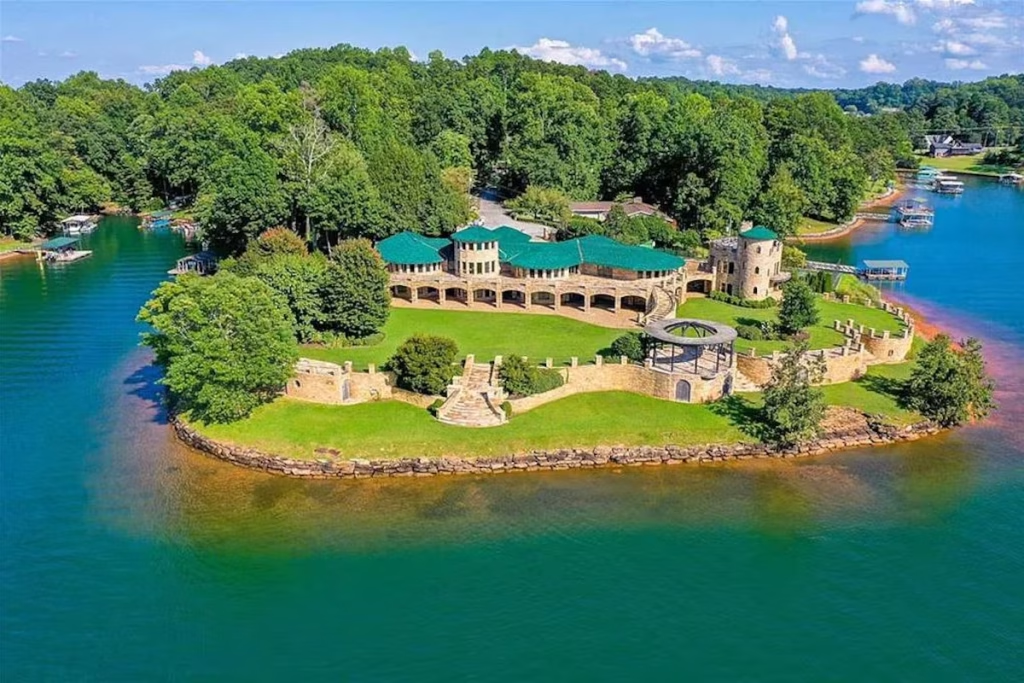
When you own the lot, the land sets many design limits and openings. The shape, size, and slope decide the house footprint and the number of usable outdoor areas. Views, sun path, and privacy affect window placement and room layout. Site features also shape choices for driveways, garages, and outdoor living spaces.
Benefits of early builder involvement (site-specific design, cost control)
A builder who reviews the site at the start will adjust the plan to the actual conditions. They can suggest foundation types, grading approaches, and access plans that save money. They will feed back realistic cost ranges for key items so you can match design choices to your budget. That input cuts the chance of major redesigns once construction starts.
Risks of designing without builder input (unexpected site constraints)
Designing a home without builder review can create costly surprises. Plans may call for foundations or retaining walls that the site cannot support without extra work. Utility runs, drainage fixes, and code issues can add time and money. Bringing a builder into the process before you finalize plans reduces those risks and keeps the project on a firmer budget and schedule.

Risk management and strategic considerations
Market risk, holding costs, and resale/liquidity concerns
Land tied up for months or years can erode your budget. You pay property taxes, insurance, interest on loans, and maintenance while you hold the lot. If the housing market falls, the combined cost of the lot and the build can outpace resale values. Plan for a worst case by adding holding costs to your total project estimate and by setting a clear time horizon for either starting construction or selling the parcel.
Permitting and entitlement risk
Permits and entitlements can delay a project or change its cost. Some approvals require public hearings, site studies, or mitigation work that take months to secure. In the worst case, a permit can be denied or require changes that make the build impractical. Before you buy, check the local process and typical timelines, and build a buffer for fees and revisions in your schedule and budget.
When it makes sense to buy land first (and when not to)
Buying land first makes sense when the lot offers clear advantages you cannot replace, such as a rare view, a preferred neighborhood, or secured utility access. It also works if you can cover holding costs and accept some timing risk. Do not buy first if you cannot tolerate uncertainty about site costs, if the parcel needs complex approvals, or if you lack a cash or financing cushion. In those cases, involve a builder early or include firm contingencies in the purchase contract that let you walk away if key permits or reports come back unfavorable.
Pros and cons
Use the lists below to weigh the practical trade-offs of buying land before you hire a builder. The pros and cons focus on facts that affect cost, schedule, and design. Read each item and mark which ones apply to your situation.
The final quick checklist helps you decide which path to favor. Check the items that match your priorities and constraints. If more items point to buy-first, you may proceed with a higher tolerance for risk and holding costs. If more items point to hire-first, involve a builder early to reduce unknowns.
These lists do not replace professional advice. Talk with a real estate attorney, lender, and at least one builder before you complete a purchase or sign a construction contract.
Pros of buying land before hiring a builder
- Lock in a preferred location or lot that may not last on the market
- Take time to find the right architect and builder without rushing
- Control the purchase terms and timing of closing
- Buy in a specific neighborhood or view lot that suits your needs
- Phase the project: buy now and build later when you are ready
Cons of buying land before hiring a builder
- Face unknown site costs for grading, foundation, and utilities
- Pay holding costs such as taxes, insurance, and interest while you wait
- Deal with financing limits and higher rates on lot loans
- Risk permit delays or entitlement denials after purchase
- Receive less accurate build estimates until a builder vets the site
Situations that favor buy-first vs hire-first (quick checklist)
- Buy-first if the lot has rare attributes you cannot replace and you can carry holding costs
- Buy-first if utilities and zoning are clear and you have access to lot financing or cash
- Hire-first if you need firm cost certainty or if the lot shows complex site or permit issues
- Hire-first if your budget is tight and you need a builder to confirm feasibility before buying
- Choose a hybrid path when you can secure an option period to do geotech and builder review before closing
Key takeaways and recommendations
There is no single right order for buying land and hiring a custom home builder. The best choice depends on the lot itself, your budget size, and how much risk you can accept. Control of location trades off against cost and timing certainty.
Buy-first works when the parcel has unique value, utilities and zoning are clear, and you can cover taxes, insurance, and interest while you decide on design and a builder. Hire-first works when the site shows signs of complexity or when you need firm cost estimates before committing to the purchase.
If you want to reduce risk, use a hybrid approach. Secure a short option period or contingency that lets you run geotech, surveys, and a builder review before you close. Set clear stop points for feasibility, cost, and permits so you can walk away if the facts change.
Practical next steps for readers (due diligence checklist, when to consult a builder)
Before you sign a purchase agreement, get a title report, confirm zoning rules, and review any covenants or easements. Order a boundary survey and, if you can, a basic geotechnical report or soil test to reveal major site issues early.
Talk to a lender to learn what lot or construction loans you will need and what documents they require. If the site looks steep, wet, or otherwise difficult, involve a builder or civil engineer before you buy so you get realistic cost and scheduling input.
Include written contingencies in the purchase contract for financing, satisfactory geotech, and permit feasibility. If you feel unsure at any point, consult a real estate attorney and a builder to avoid surprises that add time or cost.