
Building a custom home on Lake Keowee takes time and planning. This article breaks down a realistic timeline from lot choice to move in. It highlights the steps that often add time and cost. It focuses on factors that matter for this lake area.
This guide targets buyers, investors, and first-time custom home builders. If you plan a weekend retreat, a rental, or a full-time home, you will find useful information here. The text assumes you will work with local builders, architects, and permitting agencies. It aims to set clear expectations.
Short answer: a simple build can finish in four to six months. A typical build runs nine to fourteen months. Complex sites or delays can push the schedule to a year or more. Key variables include lot type, permitting, site work, material lead times, and weather.
Read on for a step-by-step timeline, Lake Keowee specific bottlenecks, and practical tips to reduce delays. Use this as a planning tool when you talk with builders and local officials. Build a time buffer into your plan and your budget.
Pre-construction and design
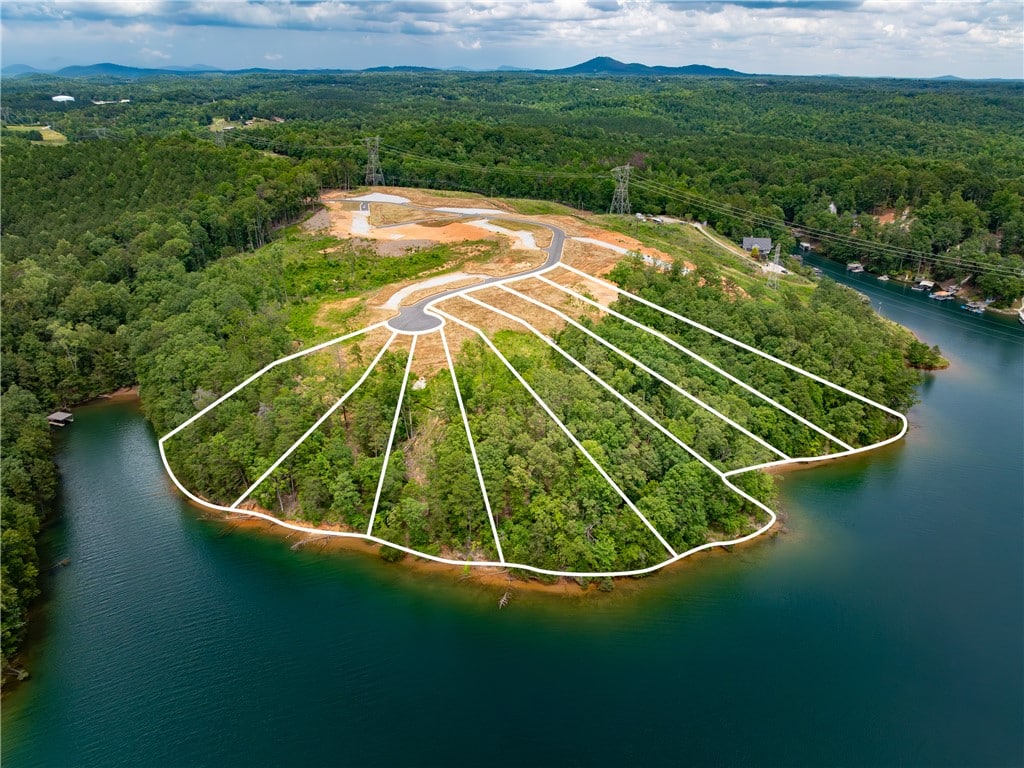
Your lot choice sets the tone for time and cost. A true lakefront lot often needs dock or seawall design, shoreline buffer work, and more erosion control. A bluff lot can need slope stabilization, retaining walls, and deeper foundations. A wooded inland lot usually needs less shoreline work but may still need tree clearing and grading to reach a suitable building pad. Each lot type changes the scope of surveys and engineering you will need.
Start with a site survey and soil work early. A boundary survey, topographic survey, and a percolation test for septic are common. On bluff or steep lots, get a geotechnical report to guide foundations and retaining walls. You also need a floodplain or base flood elevation check. These reports inform the architect and the structural engineer and can prevent late design changes.
Architectural design moves in stages: schematic sketches, design development, then construction documents. Allow time for revisions after you and your builder review plans. You will also need engineering stamps for structure, septic, and any dock or seawall work. If your home requires a private dock, plan for dock engineering and placement approvals well before construction drawings are final.
Account for Lake Keowee specific approvals and local rules. Many neighborhoods have HOAs or design review boards with their own covenants and review windows. Duke Energy controls shoreline use and requires permits or leases for docks and major shore work. County building and health departments in the Lake Keowee area (primarily Oconee and Pickens counties) will review septic and building plans. Schedule design and approvals to run in parallel where possible and expect offer to closing, design approvals, and required reports to take several weeks to a few months. Early coordination with local builders, the county, your HOA, and Duke Energy will save time later.
Permitting & approvals
After you finish design, you must get several permits before breaking ground. The local building department checks the construction plans. The health department reviews septic systems. The agency that manages the lake reviews docks, seawalls, and shoreline work. Some projects also need state environmental reviews if they touch wetlands or stream buffers. Each permit requires forms, plans, and fees.
Permit lead times vary. Simple building permits can clear in a few weeks when the office has staff and your plans are complete. Septic permits often take several weeks because they depend on soil tests and site visits. Shoreline and dock approvals can take longer. If an environmental review is needed, expect additional weeks or months. Peak seasons and staff shortages lengthen all timelines.
Common bottlenecks include incomplete drawings, missing test reports, and out-of-date engineering stamps. HOA design approvals can add time if your community has review meetings on a set schedule. Plan changes that require re-submittal reset review clocks. Many delays happen because applicants try to handle permit steps one at a time instead of running them in parallel where allowed.
You can shorten permit time with a few simple moves. Hire a local architect or engineer who knows the agencies and rules. Order soil tests and site surveys early so you can submit them with the first application. Request pre-application meetings with the building office or lake agency to confirm requirements. Submit a complete packet the first time and track each agency review to avoid surprises.
Site work & foundation
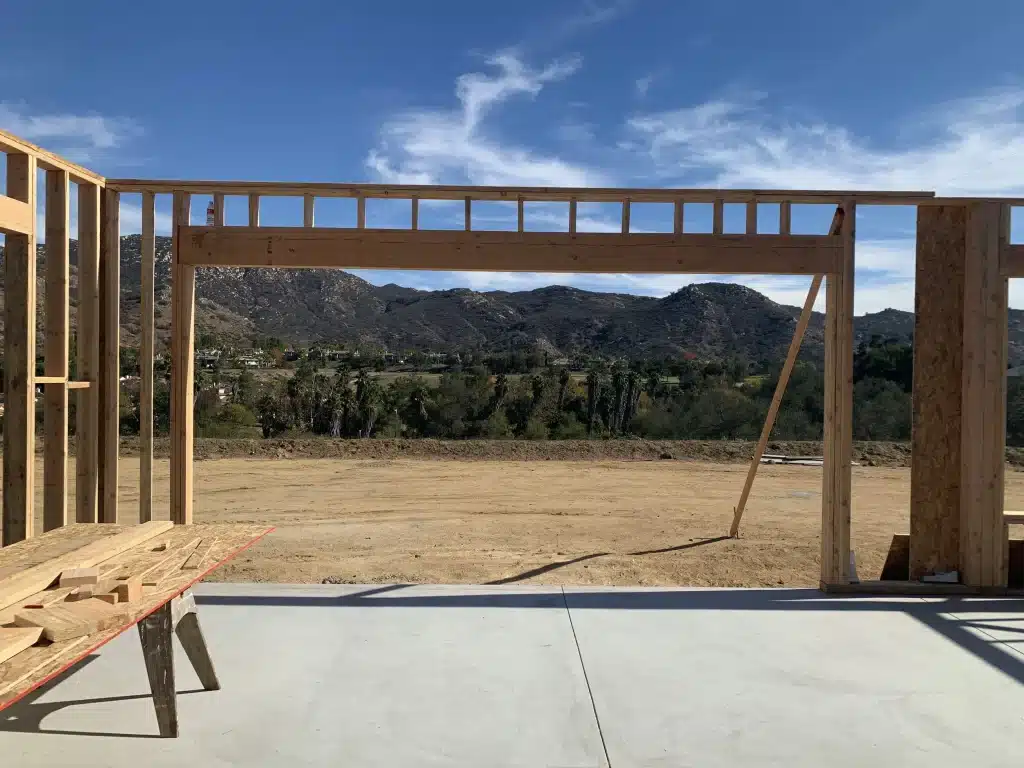
Start site work once the final survey and construction plans are in hand. On Lake Keowee lots contractors clear trees, install erosion control, and grade a stable building pad. For lakefront and bluff sites erosion control and shoreline protection are central tasks. Driveway access on steep or winding lots may require switchbacks, retaining walls, or temporary access roads to move equipment and materials safely to the pad.
Plan utility hookups before heavy grading. Decide whether you will use a well or county water, and where the septic field or sewer tie will sit. Electric service often requires pole extensions or new lines; scheduling the power company can add time. Ask about broadband and cell options early, since trenching or conduit runs tie into the grading work and can affect the final driveway and yard layout.
Choose a foundation type that matches the lot and the house plan. Builders use shallow footings and crawlspaces on gentler slopes, piers or pile foundations on steep banks, and retaining walls where the grade forces a stepped foundation. Full basements work on lots with gentler slopes and low water tables, but they add excavation work and dewatering needs. A geotechnical report and a structural engineer will tell you where to place footings, piles, and walls to avoid surprises during construction.
Expect site work and foundation work to take from a few weeks to several months depending on slope, soil, and weather. Heavy rain stops excavation and slows concrete work; freezing conditions can delay curing and inspections. Add time for soil corrections, rock removal, and any required retaining structures. Build buffer time into your schedule and budget so you can handle weather delays and needed changes without derailing the project.
Shell to systems (framing through rough-ins)
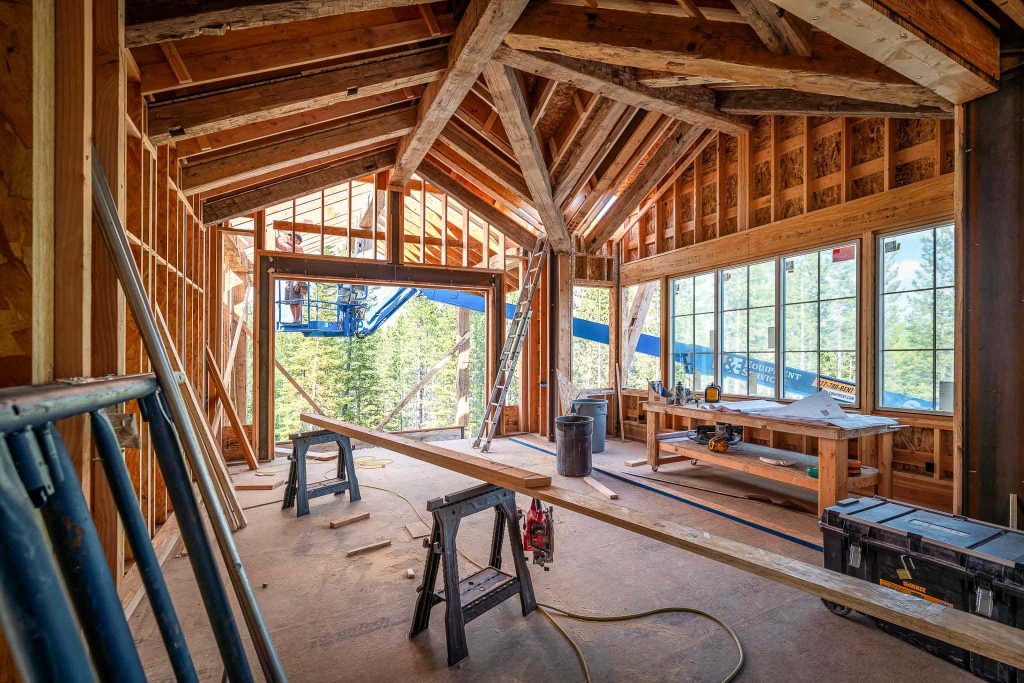
Once the foundation cures, builders set the framing and roof. Crews erect walls, install roof trusses, and add sheathing. They fit windows and exterior doors to make the shell weather tight. On a typical Lake Keowee home this stage runs four to eight weeks, longer for complex roofs or large homes.
After the shell is sealed, trades run mechanical rough-ins. Plumbers lay supply and waste lines. Electricians pull wires and set panel locations. HVAC teams install ductwork and mount equipment pads. Inspectors often review rough plumbing, electrical, and HVAC before insulation and drywall go in. Plan inspections into the schedule each week.
Exterior finishes start once the shell and rough systems coordinate. Crews apply house wrap, siding, stone, and trim. Porch, deck, and roof flashing work tie into the exterior trades. Weather can delay these tasks, so builders often sequence trades to avoid trade stacking and rework. Good sequencing keeps the job moving and reduces damage to exposed materials.
Material lead times affect the whole phase. Lumber, windows, exterior doors, and trusses can have multiweek waits. Order long lead items during design so deliveries align with framing. Confirm delivery windows and track shipments. Change orders for openings or structural layout will push the schedule, so finalize those details before framing starts.
Interior finishes to move-in
Interior finish work begins once inspectors clear the rough systems. Crews install insulation, hang and finish drywall, and apply paint. Carpenters fit trim, stair systems, and cabinetry. Flooring, tile, and countertops follow, and trade crews return to set fixtures and hook up appliances.
Schedule and track the final inspections for electrical, plumbing, HVAC, and the health department septic sign-off if you have a septic system. Complete driveway surfacing and final grading before major landscaping to avoid damage from heavy equipment. If you need a dock or seawall, plan that work with the lake agency and your contractor after most site traffic has ended so you do not harm finished landscaping or foundations.
Change orders late in the finish phase add time and cost, so finalize selections before this stage. Bad weather can delay exterior finishes, landscaping, and final inspections. County inspection backlogs can also push your move date. Build a time buffer and a budget contingency to cover these common risks.
Expect the finish phase to take six to eight weeks in a fast case, eight to sixteen weeks in a normal case, and twelve to twenty-four weeks for complex or delayed jobs. Final cleaning, punch list work, and a final walk-through take one to two weeks. After the county issues a certificate of occupancy you may move in. Keep a small holdback for remaining punch-list items and confirm warranty coverage for major systems before you accept the keys.
Typical timeline breakdown and practical tips
Use the list below as a planning guide. Each phase shows a best-case window, a typical window, and a realistic worst-case window. Treat these ranges as estimates. Your site, design choices, and local reviews will change the numbers.
- Pre-construction and design: 1 to 3 months / 2 to 6 months / 3 to 9 months
- Permitting and approvals: 2 to 4 weeks / 1 to 3 months / 2 to 6 months
- Site work and foundation: 2 to 4 weeks / 4 to 8 weeks / 6 to 12 weeks
- Framing through rough-ins: 4 to 8 weeks / 8 to 16 weeks / 10 to 24 weeks
- Interior finishes and final steps: 6 to 8 weeks / 8 to 16 weeks / 12 to 24 weeks
- Total build time (overall): 4 to 6 months / 9 to 14 months / 12 to 24+ months
Tips to keep the job on schedule:
- Hire a builder with Lake Keowee experience so they know local permits and Duke Energy rules.
- Order long lead items, such as windows and trusses, during design so they arrive for framing.
- Run permits and tests in parallel when possible and book inspection slots early.
- Plan for weather and county inspection delays and add a time buffer of 10 to 20 percent.
The time it takes to build on Lake Keowee depends on a few clear factors: the lot type, the permit process, the amount of site work, material lead times, and the weather. Each step can add days or months. You will see the biggest swings on steep or true lakefront lots, when dock or shoreline work is involved, and when inspections or supplies slow down.
Start by talking with local builders, an architect, and the county or your HOA. Get a geotechnical report and septic evaluation if the site needs them. Check Duke Energy rules for shoreline work and ask the county about inspection timing. Order long lead items while you finish plans so deliveries match the construction schedule.
Plan a time buffer and a budget contingency. Make final finish selections before the finish phase to avoid change orders. Coordinate trades so inspections do not create pauses. Expect to adjust the plan when weather or site conditions force choices.
Decide which matters most to you: speed, level of finish, or cost. Faster builds cost more and limit custom choices. More customization takes longer and raises the budget. Use the timeline estimates in this guide when you talk with local professionals, and build a margin for both time and money so your project reaches a practical and satisfying close.