
This guide helps you choose between Highlands and Cashiers when you look for a mountain home. I compare practical factors that affect daily life and long-term value. You will get clear, side-by-side views of each town so you can weigh trade offs that matter to you.
The guide suits a range of buyers. It helps second-home buyers who want ease of access and rental income. It helps retirees who want health care and quiet. It helps full-time residents who need schools, services, and year-round infrastructure. It also helps investors who want to know rental rules and market trends.
Sections cover location and access, climate and elevation, the real estate market and cost of living, community services and infrastructure, and recreation and culture. I include a pros and cons list for each place. The guide ends with a decision checklist and practical next steps.
Use this guide as a planning tool. Start by reading the sections that match your top priorities. Then visit both towns to get a feel for roads, weather, and neighborhood fit. Bring this checklist when you tour homes and talk with local agents.

Location & Accessibility
Highlands
Highlands sits on a high plateau in western North Carolina near the Georgia and South Carolina lines. The town lies off state and U.S. highways and on winding mountain roads. Drive times run about 1.5 to 2 hours from Asheville Regional Airport, about 1.5 hours from Greenville-Spartanburg area airports, and roughly 2 to 2.5 hours from Atlanta. Small general aviation fields serve private aircraft closer to the plateau.
Cashiers
Cashiers sits on the same mountain plateau and sits about 15 to 20 miles from Highlands depending on the route. The community fronts U.S. 64 and a network of state roads that link to nearby valleys and towns. Travel times to the same regional airports fall in a similar range, with trips to Asheville and Greenville-Spartanburg commonly under two hours and drives to Atlanta around two to three hours. Local airstrips handle private planes while commercial service stays at the larger regional airports.
Winter driving, road maintenance, and access differences
Both towns see winter weather that affects travel. Main roads receive state plowing and sanding, but secondary roads and private drives can stay icy or have temporary closures after a storm. Highlands sits at higher elevation and can hold snow longer on exposed roads. Cashiers has valleys and lower stretches where ice and runoff can create different hazards. Plan for steeper grades, sharp turns, and longer travel times in winter.
Day-trip and commute options, proximity to regional services
Either town works for day trips to larger cities and regional services, but you should expect car travel for most errands. Larger hospitals, specialty doctors, and big-box stores sit in Asheville and the Greenville-Spartanburg corridor. Smaller towns near the plateau provide groceries, basic medical care, and repair services. Public transit is limited, so most residents and visitors rely on private vehicles for daily needs and commutes.

Climate, Altitude & Natural Environment
Highlands sits on a higher part of the plateau, generally around 3,800 to 4,200 feet. Cashiers sits lower, roughly 3,000 to 3,500 feet. That elevation gap changes temperature, frost dates, and the length of the growing season. Expect a shorter growing season in Highlands and a longer season in Cashiers. Plant choices, garden timing, and snow persistence follow those differences.
Winters feel colder in Highlands and the town holds snow longer into spring. Cashiers sees snow too, but storms tend to be lighter and melt sooner at lower spots. Summers stay cooler at higher elevations; Highlands will have cooler nights and slightly milder daytime highs than Cashiers. Both places get most of their rain in spring and summer from pop-up storms, and both can see fog and low clouds that limit sun for parts of the day.
The two towns also look different. Highlands shows more exposed rock, steep ridgelines, and broad overlooks. Cashiers has more creek-fed lakes, meadows, and gentler valley slopes. Waterfalls occur in both areas, often along the same river systems, but you will find some larger, road-accessible falls nearer the steeper stretches. Forests in both places include mixed hardwoods, rhododendron, and patches of evergreen, with plant communities shifting with elevation and aspect.
Each area carries natural hazards to consider. Heavy rains can cause creek flooding in low-lying properties and increase the chance of slope failure where roads or cuts disturb soil. Steep driveways and exposed lots can erode after storms. Wildfire risk remains moderate because the climate stays humid, but dry spells and windy days raise that risk. Review site-specific risks, talk with local emergency services, and plan for drainage and defensible space when you inspect properties.
Real Estate Market & Cost of Living
Both towns offer a mix of property types, but the mix differs. Highlands contains many high-end mountain estates, stone homes with mountain views, and a steady supply of town-center condos for buyers who want walkable amenities. Cashiers offers more lakefront and creek-front lots, family-sized cabins, and larger parcels that sit in meadows and gentle valleys. You will find vacant lots and older homes that need work in both markets, which can suit buyers who want to build or renovate.
Price levels and inventory vary by neighborhood and season. Highlands tends to carry a higher entry price because of view lots and limited buildable land; the market shows more homes in upper price bands. Cashiers provides a broader range of price points, with both modest cabins and high-end lake estates. Both markets tighten in spring and early summer when demand rises and loosen in late fall and winter when fewer buyers tour properties.
Carry costs matter in these areas. Property taxes in both towns stay near regional norms, but exact bills vary by parcel and by whether you own land or a finished building. Many planned communities and condo complexes charge HOA fees that cover road and common-area upkeep and sometimes security and resort amenities. Insurance needs differ by site. Low-elevation lots near creeks may need flood coverage. Steep or exposed sites can raise premiums for wind, hail, or structural risk. Ask your agent for recent tax bills and get insurance quotes before you sign a contract.
Short-term rental income can help offset costs, but rules shape how you can operate. Both towns host tourists, so demand for weekly or nightly rentals peaks in summer and over holiday weekends. Some neighborhoods prohibit short-term rentals through HOA covenants or local ordinances. Other areas allow them but require permits, occupancy limits, or extra inspections. Study local rental rules, estimate realistic occupancy and net income, and talk with local managers to model cash flow before you buy.
Community, Services & Infrastructure
Highlands
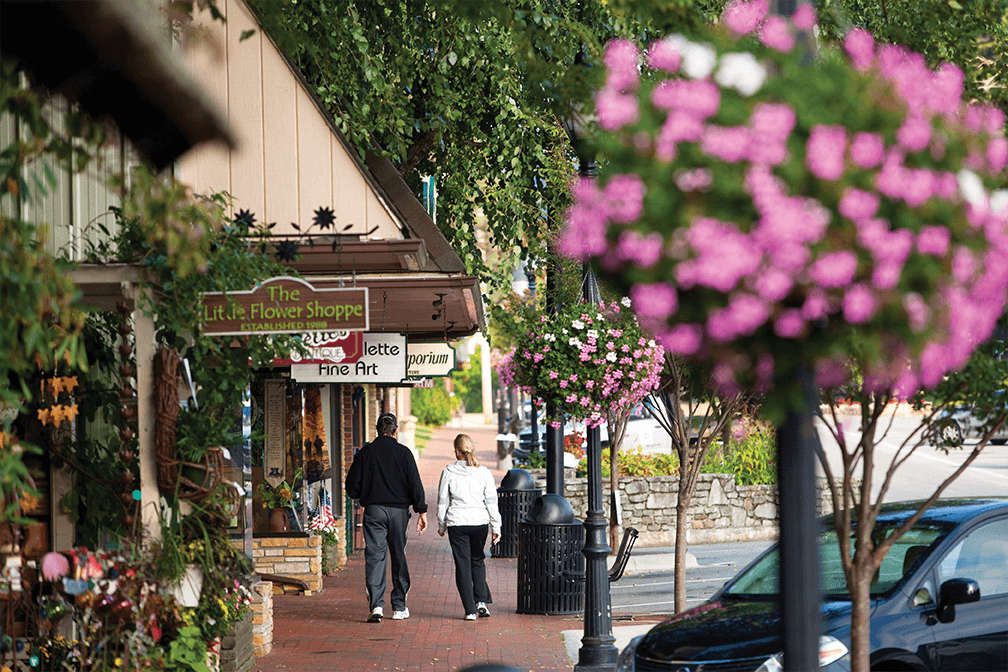
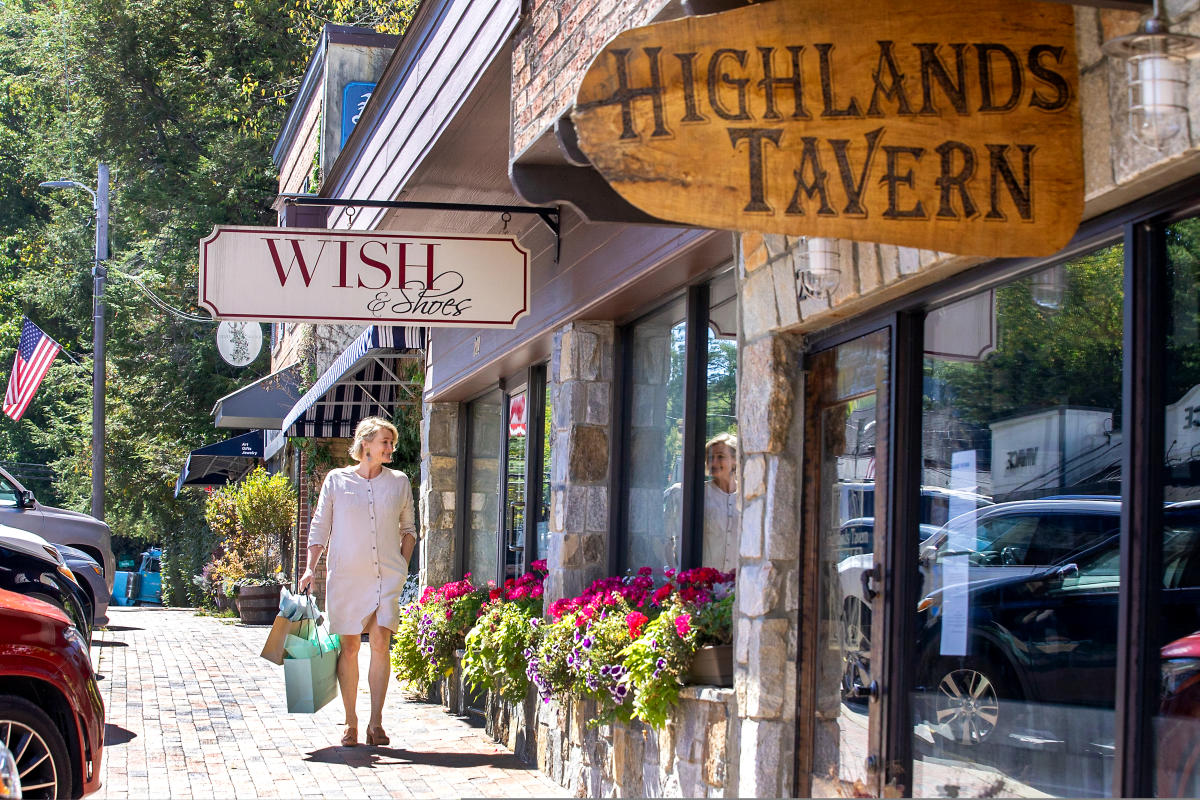
Highlands combines a stable base of year-round residents with many seasonal owners. The town center hosts shops, galleries, and restaurants that stay open through most of the year, which helps support services that full-time residents use. You will find municipal water and sewer in the village and nearby neighborhoods, but many mountain properties rely on wells and septic systems. Local contractors, landscapers, and snow-removal crews serve the area, though lead times grow in peak season.
Cashiers
Cashiers spreads out across valleys and plateaus, with more properties on larger lots and more rural road frontage. Small village centers and roadside markets provide groceries, dining, and basic retail, but residents drive to larger towns for specialty shopping. Water and sewer availability varies by development; you will see a higher share of private wells and septic systems on remote lots. Local tradespeople serve the community, and some services come from neighboring towns when demand rises.
Both communities sit within the regional public school systems, so school assignments depend on parcel location. Each town has primary care clinics and outpatient services for routine needs. For major medical care, specialists, and inpatient hospital services you will travel to Asheville or the Greenville-Spartanburg corridor. Fire, rescue, and law enforcement combine local volunteer units with county and regional support, so response times can vary by distance and road conditions.
Power comes from regional utilities and can stop during strong storms or long outages, so many owners install backup generators. Internet options range with location; some neighborhoods have fiber, while other homes use fixed wireless, DSL, or satellite. Trash, recycling, and septic pumping happen on regular schedules in populated areas, but remote properties may need private hauling or on-call service. If you rely on HOA-managed roads or services, review the covenants and maintenance budgets before you buy.
Recreation, Lifestyle & Culture
Both towns offer many outdoor options year round. In summer you can hike local trails, paddle lakes, fish small streams, and play golf. In fall the foliage draws hikers and photographers. Winter brings shorter-day hikes and nearby ski areas for day trips. Guided trips, outfitters, and rental shops operate in both places for gear and local knowledge.
Each town supports a steady calendar of events and small arts scenes. Highlands hosts gallery openings, craft fairs, and music nights in its village center. Cashiers centers events around its community halls, lodge stages, and seasonal markets. Local churches, historical societies, and volunteer groups run classes, talks, and service projects that help newcomers meet neighbors.
The evening scene stays calm compared with larger mountain towns. Highlands has more full-service restaurants, wine bars, and occasional live music, so it draws an after-dinner crowd on weekends. Cashiers leans toward lodge dining, taverns, and quieter supper spots where evenings end early. Neither town has a bustling club scene; most social life happens at restaurants, community events, and private gatherings.
Both places suit different lifestyles. Families find outdoor programs, summer camps, and kid-friendly trails in both towns, but should check school options and after-school activities for the exact parcel. Retirees often pick Highlands for easier year-round services and more cultural offerings, or Cashiers for a slower pace and water access. Remote workers can live comfortably if they confirm internet speeds and have a quiet home office. Outdoor lovers will find either location rewarding; pick the one whose nearest trails and waterways match your preferred activities.
Pros & Cons
This section lists clear positives and negatives for each town. Use it to weigh trade offs that matter to you. Read each list and then match items to your priorities on access, maintenance, and lifestyle.
Highlands
Highlands favors buyers who want a compact town center and strong cultural amenities. The trade offs include higher prices and steeper sites that need more upkeep.
- Pros of Highlands
- Walkable village with shops, galleries, and restaurants
- Longer views and cooler summer nights
- Strong resale values for view lots and finished homes
- More properties with municipal water and sewer near town
- Cons of Highlands
- Higher entry prices and limited buildable lots
- Steep or exposed parcels that require engineering
- Snow stays longer on roads and drives
- HOA and maintenance fees can be higher in resort-style areas
Cashiers
Cashiers suits buyers who want water access, room to spread out, and a wider range of budgets. The trade offs include fewer year-round services in some neighborhoods and more private systems to manage.
- Pros of Cashiers
- More lakefront and creekside properties
- Broader price range and larger lot options
- Gentler building sites in many valleys and meadows
- A quieter, lodge-style dining and community rhythm
- Cons of Cashiers
- Fewer full-service amenities in remote areas
- More homes on wells and septic systems
- Variable internet and utility options by parcel
- Short-term rental rules and HOA standards vary widely
Who it is best for: Highlands best suits buyers who want walkable amenities, cultural life, and strong resale potential. Cashiers best suits buyers who want water access, larger lots, and a quieter pace. Use these fits to narrow which town you visit first.
Highlands and Cashiers each offer a clear set of trade offs. Highlands gives a compact village, higher elevation, broad views, and more properties with municipal services. Cashiers gives more lake and creek access, gentler building sites, and a wider range of lot sizes and prices. Choose the place that matches your top needs for access, services, and outdoor features.
Decision checklist: Do I need a walkable town center or do I prefer a spread-out, water-focused setting? Do I want cooler summers and longer winters or milder conditions and a longer growing season? Can I handle steep driveways and higher build costs, or do I prefer gentler sites? Will I rely on municipal water and sewer or wells and septic? Do I need reliable high-speed internet for work? Do I plan to rent the home short term and have I checked local rules and HOA rules? Can I cover insurance, maintenance, and winter access in my budget?
Next steps: Visit both towns in the season you expect to use the home most. Drive likely access routes and stay overnight to test roads and services. Meet local real estate agents and property managers, and ask for recent comparables and rental data if relevant. Get site-specific inspections, utility and insurance quotes, and read HOA covenants and county rules before you make an offer.
Weigh access, climate, services, and cost against your primary goals. Use the checklist and the visits to narrow choices. Work with local professionals and plan for site maintenance and seasonal needs. Take your time and choose the community that fits how you want to live.