
This guide compares life in Cashiers, a mountain town, with life around Lake Keowee, a lakeside set of communities. It focuses on concrete differences that affect daily life: geography, housing, recreation, services, and community character. The goal is to give you clear information so you can weigh what matters most to you.
Quick snapshot of Cashiers (mountain town) vs Lake Keowee (lakeside communities)
Cashiers sits at higher elevation and offers a four-season mountain experience with cooler summers and snowy winters. Expect steep terrain, forested views, and mountain recreation nearby. Lake Keowee centers on a large reservoir with water-based activities, lower elevation, and a landscape shaped by shoreline and coves. It tends to draw people who value boating, fishing, and lakeside living.
How to use this guide to decide which lifestyle fits you
Read each section with your priorities in mind: do you prefer water or mountains, year-round services or seasonal quiet, short drives to city amenities or more remote living? Use the geography, housing, and amenities sections to match facts to your needs. If you want a next step, plan visits to both places and note how daily routines would feel in each setting.
Geography, Climate, and Natural Setting
Cashiers: elevation, mountain scenery, four-season climate, nearby state/national forests
Cashiers sits high in the Appalachian foothills, around 3,000 feet above sea level. The town sits among ridges, valleys, and dense hardwood forest. The terrain slopes and the roads climb and fall with the land.
The area shows four distinct seasons. Summers feel cool compared with lowland places. Fall brings strong color. Winters bring snow at times and cold snaps that affect travel and home systems.
Large tracts of public forest land and state parks surround the area. Trails, waterfalls, and lookouts sit close to town. The landscape invites hiking, birding, and backcountry camping.
Lake Keowee: reservoir setting, lowland Piedmont climate, water-focused landscape
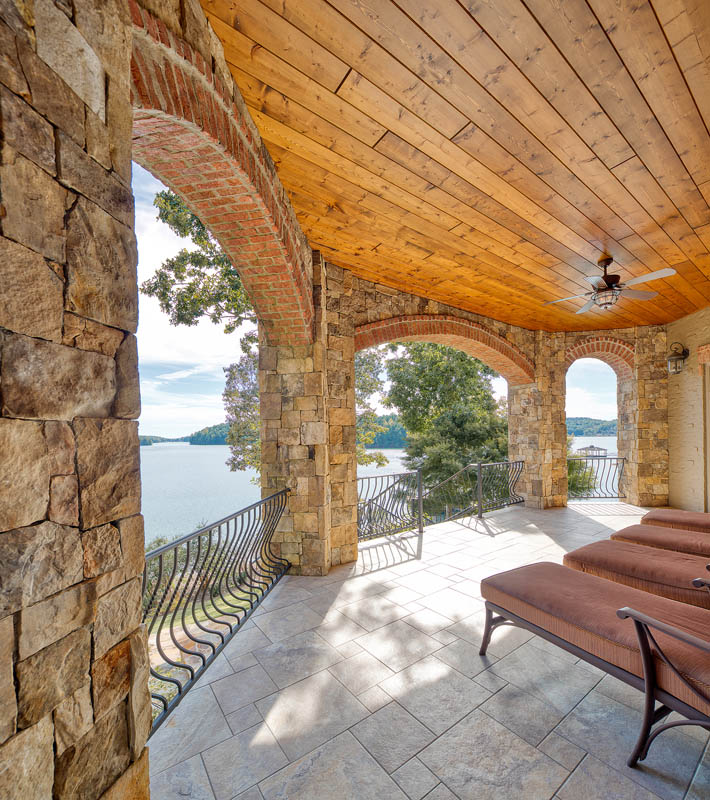
Lake Keowee centers on a large reservoir with long, irregular shoreline and many coves. The water dominates views and daily life near the lake. Most homes orient toward docks and waterfront access.
The lake sits at lower elevation in the Piedmont. Summers feel hot and humid. Winters stay mild and snow rarely stays on the ground. The season for swimming and boating stretches from late spring into early fall.
Beyond the shoreline, the land rolls with mixed forest and pasture. The shoreline includes rock outcrops, small bays, and man-made beaches. The water level and clarity influence recreation and property care.
How setting shapes daily life and seasonal activities
Mountains change travel and home care. Steep driveways and winding roads add time to commutes. Home systems must handle cold and snow, and roofs and driveways need regular attention in winter.
Lake life sets a different rhythm. Boating and fishing shape weekends in warm months. Dock maintenance, shoreline erosion control, and thinking about water level guide property decisions.
The two settings create different choices for outdoor time. Mountain residents plan hikes and scenic drives around cooler weather and waterfall flows. Lake residents plan water outings and lakeside social time around warm months and calm weather.
Housing, Cost of Living, and Real Estate Market
Typical housing types (mountain cabins/estates vs lakefront homes/communities)
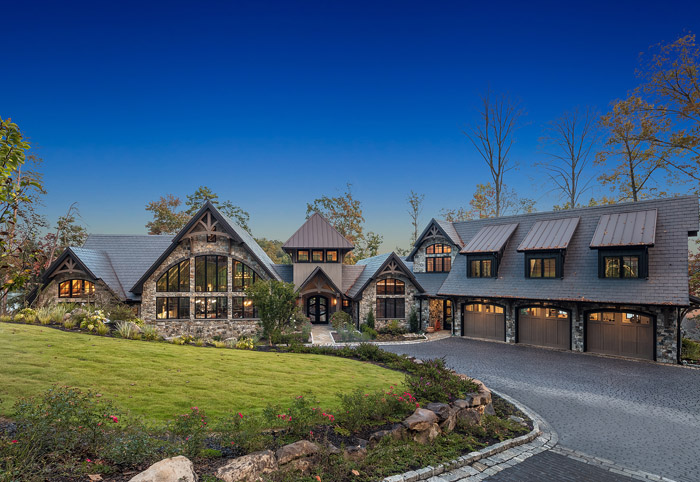
In Cashiers you will find a mix of small cabins, renovated cottages, and large mountain estates on wooded lots. Many homes orient to views and privacy, and builders adapt to steep sites and rock outcrops. Around Lake Keowee the stock centers on single family lakefront houses, ranch homes on level lots, and newer planned neighborhoods with private docks and community amenities. Lake properties often include boathouses, seawalls, and yards that reach to the water.
Price ranges, taxes, insurance considerations (flood vs mountain-related)
Prices vary widely in both markets depending on view, water access, and lot size. Lakefront parcels often command a premium for direct water access and dock space. Mountain properties can carry high costs when they sit on coveted ridgelines or offer large acreage. Expect different insurance needs: lakeside homes may need flood or waterfront coverage and seawall work, while mountain homes may need roof and driveway provisions for snow, and attention to septic and access in remote areas. Local property taxes, HOA dues, and utility costs differ by county and development, so check specifics for any parcel you consider.
Short-term rental and second-home market dynamics
Both areas attract buyers who want second homes or rental income, but demand follows different peaks. Cashiers draws visitors in spring, summer, and especially fall for leaf color, which supports short-term rentals that cater to weekenders and nature seekers. Lake Keowee sees its highest demand in late spring and summer for boating and family stays, and communities often set rules for docks and guest slips. In either place plan for property management, seasonal maintenance, and local rules on short-term rentals, which can affect net income and ease of use.
Community, Culture, and Amenities
Population size, demographic profile, and community vibe in Cashiers
Cashiers has a small year-round population with a noticeable seasonal swell. Many homes belong to part-time residents, which gives the town a quiet weekday feel and a busy weekend pulse. Local residents tend to know one another and support small, independent businesses.
The age mix leans older, with many retirees and second-home owners. You will also find artisans, outdoor guides, and small-business owners who have lived here for years. Civic life centers on volunteer groups, local churches, and service clubs that keep community projects moving.
The vibe feels rural and unhurried. People value privacy but also gather for farmers markets, craft fairs, and community fundraisers. Local leaders focus on preserving the landscape and supporting small-scale tourism that fits the town.
Lake Keowee communities: family-oriented neighborhoods, retirement appeal
Lake Keowee communities include planned neighborhoods and private enclaves. Many developments offer shared amenities such as marinas, golf courses, and clubhouses. Homeowners often form active associations that manage common areas and organize events.
The population mixes retirees and families who move for schools, outdoor life, or a quieter pace. You will find weekday routines that resemble a suburb more than a remote town. Neighbors meet at docks, community centers, and local eateries.
Community life has a social, organized character. Boat parades, neighborhood cookouts, and club tournaments provide regular chances to meet people. Local volunteers run many programs, and residents use associations to shape rules and services.
Arts, dining, shopping, and community events in each area
Cashiers supports a compact arts scene with galleries, craft shops, and seasonal exhibits. A handful of restaurants focus on local ingredients and simple menus. Shopping centers remain small, and specialty goods come from independent vendors or seasonal markets.
Around Lake Keowee you will find marinas with on-site stores, casual restaurants, and a few local boutiques. For fuller retail options residents travel a short drive to nearby towns. Dining tends to favor family-style and seafood focused on lakeside life.
Both places host community events that reflect local life. Cashiers schedules art walks, music nights, and fall festivals. Lake Keowee schedules boat parades, lake cleanups, and club tournaments. Each locale supports volunteer-led events that shape local culture.
Accessibility, Services, and Practical Considerations
Proximity to airports, larger cities, and highways (Greenville, Asheville, Atlanta)
Cashiers sits farther into the mountains, so expect longer drives to major transport hubs. Asheville Regional Airport lies to the north and usually takes about an hour to an hour and a half by car. Greenville and the Greenville-Spartanburg area lie to the south and can take around an hour to reach depending on road conditions. Atlanta requires a multi-hour drive, which makes it more of a planned trip than a quick commute.
Lake Keowee sits closer to Greenville and the larger Interstate network, so you can reach Greenville-Spartanburg Airport in roughly 30 to 50 minutes from many lake neighborhoods. Major highways connect the lake area to I-85 and other corridors that lead to larger cities. Atlanta remains a two hour plus drive depending on traffic and your starting point on the lake.
Roads to Cashiers include winding state highways and mountain connectors that gain elevation and narrow in places. Those roads require more care in winter weather and add time to daily trips. Roads near the lake run on flatter terrain and give more predictable drive times, but gated communities and long private drives can lengthen the commute from a lakeside lot to a highway.
Healthcare, schools, and emergency services
Cashiers relies on small clinics and family practices for routine care, with larger hospitals and specialists located in regional centers like Asheville and Greenville. For serious trauma or specialty procedures, you will plan for a drive to a major medical center or a medical air transport when needed. Local emergency response works through county services and volunteer squads, and remote addresses can affect response time.
Around Lake Keowee you will find a wider mix of primary care clinics and community hospitals within a shorter drive. Specialist appointments and major procedures are usually available in Greenville and nearby university medical centers. School options around the lake include standard public schools in Oconee and Pickens counties, some charter and private schools, and access to higher education and extension programs through nearby Clemson University.
Both places rely on volunteer fire departments and county emergency management, but the context differs. Mountain properties face longer access times on narrow, steep roads. Lake neighborhoods add a layer of on-water safety, so many communities coordinate with marine patrols and rescue teams. Before you buy, confirm ambulance and fire district boundaries, and ask about mutual aid agreements for water rescues if you plan to live on the shoreline.
Utilities, internet, and other infrastructure differences
Water and sewer arrangements vary by location. Many mountain homes use wells and septic systems. Lake areas include a mix of private wells, community water systems, and septic or sewer hookups depending on development stage and local regulations. Power reaches most properties, but long service lines and overhead wiring make outages possible during storms.
Internet and cell service show the clearest split. Cashiers and remote mountain lots can have patchy cell coverage and limited wired broadband, which pushes some residents to fixed wireless or satellite internet. Lake Keowee benefits from closer proximity to towns and planned developments that have better access to cable or fiber, but isolated coves can still face service gaps.
Road ownership and maintenance matter for daily life. Private roads and driveways appear in both markets. At the lake, homeowners associations commonly manage common roads, docks, and trash pickup. In mountain areas local counties manage main roads while private road maintenance and snow clearing usually fall to property owners or shared associations. Verify utility easements, trash schedules, and mailbox rules before you settle on a property.
Pros and Cons
Below are focused pros and cons for each place and a short at-a-glance comparison. Use these lists to match features to your priorities: travel time, outdoor access, home maintenance, and community pace.
Cashiers: Pros and Cons
Cashiers suits people who value mountain views, four seasons, and quiet time. The list shows common benefits and trade-offs to consider.
- Pros: Cooler summers, strong fall color, easy access to hiking and waterfalls, greater privacy on large wooded lots.
- Pros: Close to state parks and backcountry trails; strong local arts and small-business scene.
- Cons: Longer drives to major hospitals and airports; winding roads and steep driveways.
- Cons: Limited broadband and cell coverage in some areas; higher winter upkeep for roofs and driveways.
- Cons: Fewer year-round services and smaller retail/dining options.
Lake Keowee: Pros and Cons
Lake Keowee favors people who want easy water access, more suburban services, and community amenities. The list highlights common advantages and drawbacks.
- Pros: Strong boating, fishing, and lakeside social life; many neighborhoods offer marinas, golf, and clubhouses.
- Pros: Closer drive times to hospitals, airports, and larger retail centers; better likelihood of cable or fiber internet.
- Cons: Higher prices for true lakefront lots and dock space; possible HOA rules and fees.
- Cons: Summer crowds and noise around popular coves; dock and shoreline maintenance obligations.
- Cons: Hot, humid summers and fewer winter recreation options.
Quick side-by-side at-a-glance
This short list helps you compare core differences fast. Each line pairs the typical mountain feature with the typical lake feature.
- Setting: Higher elevation and ridgelines versus lowland reservoir and shoreline.
- Best for: Hikers and quiet retreat seekers versus boaters and family-focused communities.
- Seasonality: Strong fall and cooler summers; some winter limitations versus peak spring and summer lake use and milder winters.
- Practical needs: Snow care and remote utilities versus dock care, shoreline work, and possible HOA rules.
Which Lifestyle Is Right for You?
Summary of key trade-offs
Choosing between Cashiers and Lake Keowee comes down to a few clear trade-offs: mountain views and four seasons versus shoreline living and warm-weather water access. Each place shapes daily life in predictable ways, from commute times and utility options to the type of outdoor activities you will do most.
Cashiers gives more privacy, cooler summers, and close access to trails and scenic drives. Lake Keowee gives easier access to hospitals, larger retail centers, and a social lakeside scene centered on boating and fishing.
Think of the choice as a balance between setting and service. The landscape you prefer and the services you need will steer your decision more than style or finish on any single house.
Decision prompts / questions to help you choose
Do you want your free time on the water or on the trail? Picture a typical weekend and see which image feels right: dockside meals and boat trips, or waterfall hikes and ridge-line views.
How important are short drives to hospitals, airports, and stores? If quick access to medical care, fast internet, or daily school routines matter, a lakeside neighborhood will likely serve you better.
Will you live there full time, use the place as a seasonal retreat, or plan to rent it out? Factor in maintenance needs, HOA rules, and insurance costs when you compare long-term expense and effort.
Next steps (visiting, working with a local agent, trial stays)
Plan visits in different seasons. Spend a weekend in Cashiers in fall or early summer and a weekend at Lake Keowee in late spring or summer to sense the year-round rhythm of each place.
Talk to a local agent and ask targeted questions about flood maps, road maintenance, septic rules, internet providers, and HOA covenants. Request recent utility reliability records and sample association meeting minutes when available.
Try a short rental or a homeowners meet-up before you buy and run practical checks like internet speed tests and simulated commute times. Count how each location fits your daily routine and use that as the final guide.